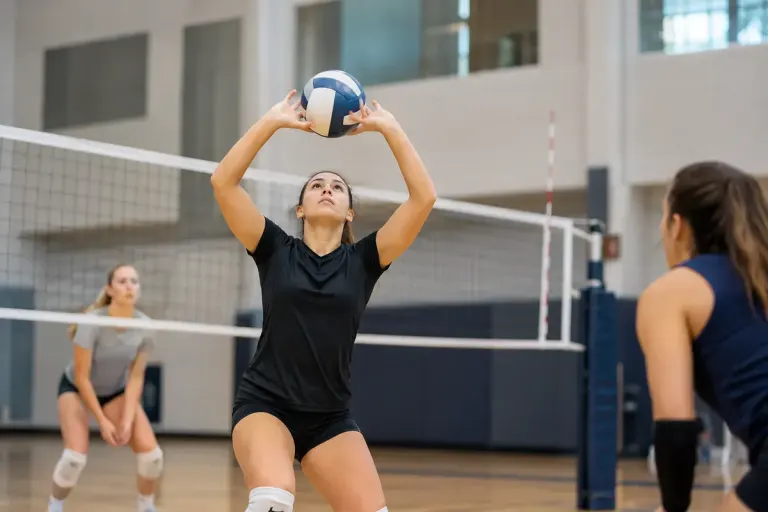
Understanding Volleyball
A Libero’s Overhand Set Can Affect the Attack That Follows
Follow the libero’s location, contact technique and the attacker’s contact height to understand a specific indoor-volleyball attack restriction.

Basketball, volleyball and the details behind a good game.
Follow the libero’s location, contact technique and the attacker’s contact height to understand a specific indoor-volleyball attack restriction.
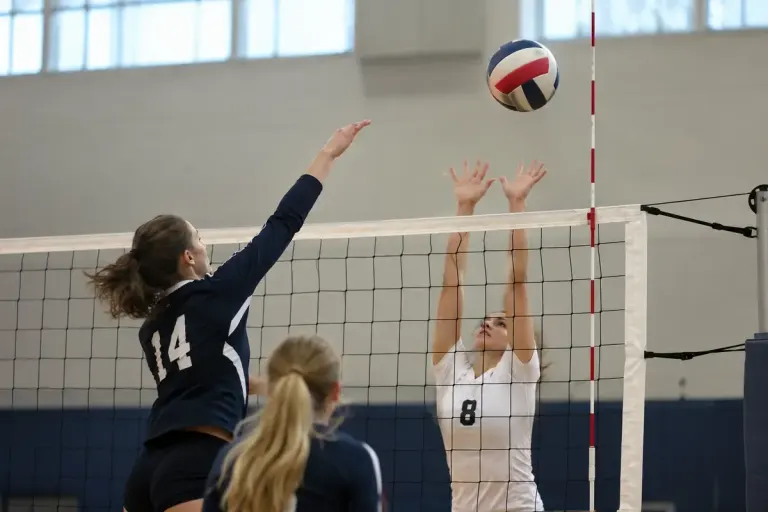
Use the volleyball antennae to understand the legal crossing space, distinguish their role from the court lines, and follow the current rules for unusual recoveries.
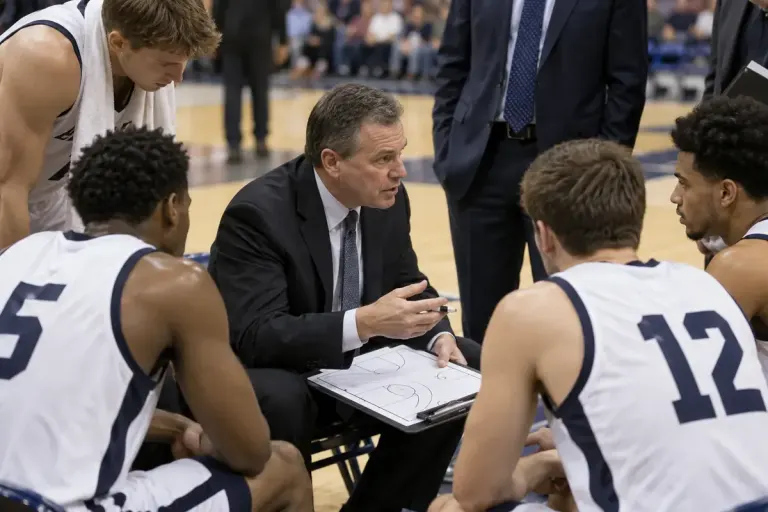
After a basketball timeout, check the restart and remaining clocks. A pause in play is not automatically a fresh possession or a new full shot clock.
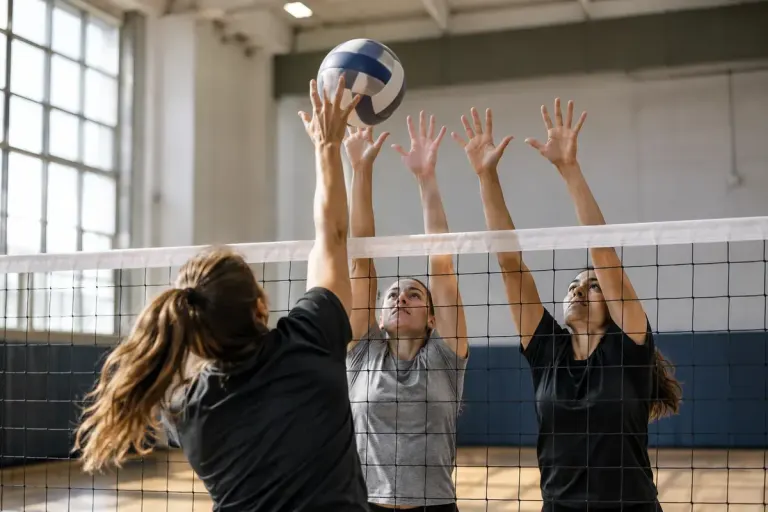
Count an indoor volleyball block separately from the team’s three hits, and avoid applying the same rule automatically to beach volleyball.
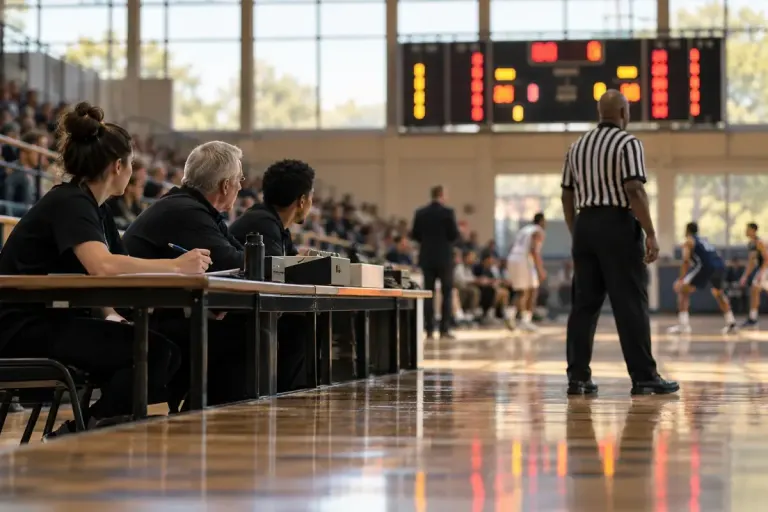
Read basketball foul displays by separating a player’s game total from the team’s period count, using the FIBA five-on-five rules as the reference.
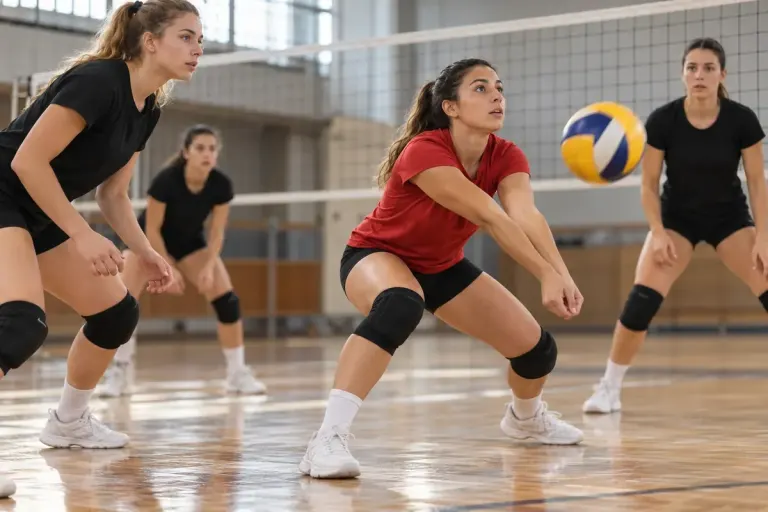
Recognise the volleyball libero’s contrasting uniform, then follow the defensive role without confusing the shirt colour with the captain’s designation.
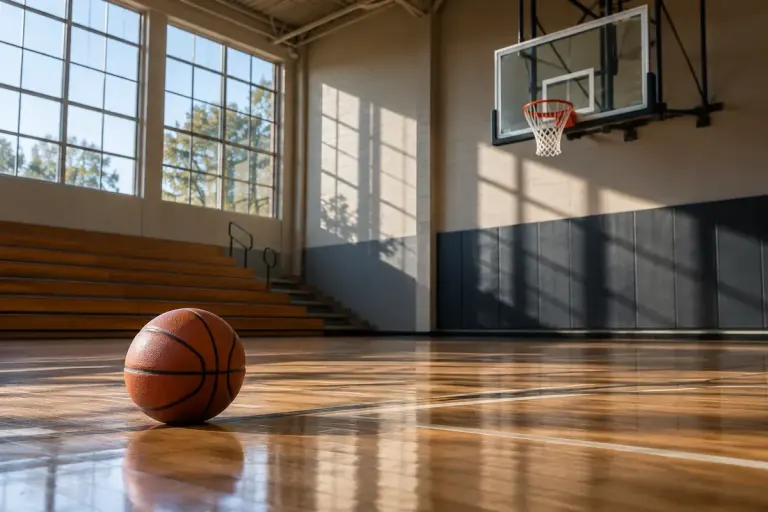
Use two official FIBA examples to distinguish goaltending from basket interference and identify what to watch when reviewing a play near the rim.
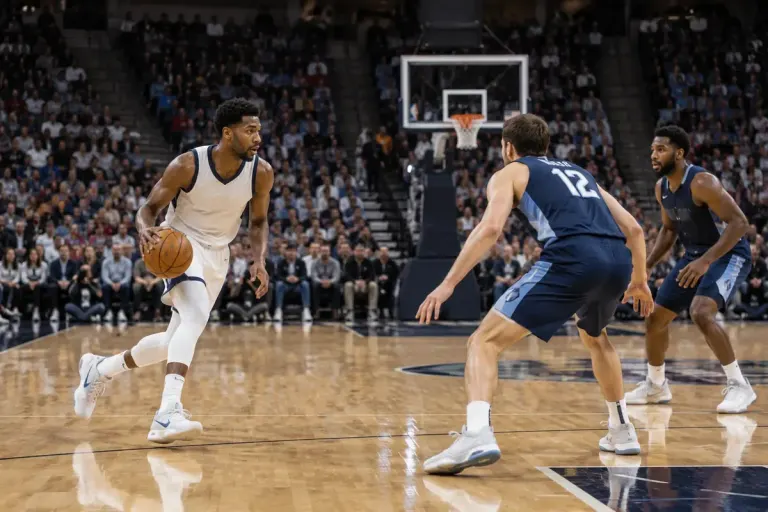
The backcourt time limit and the shot clock answer different questions. Follow one possession to understand why a team must advance before it has to shoot.
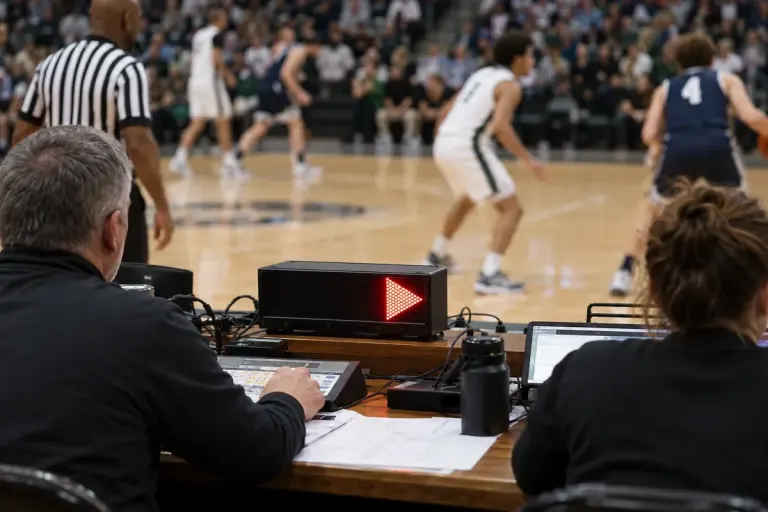
Follow the alternating-possession arrow in FIBA basketball and understand why later held-ball situations use a throw-in rather than another opening-style jump.