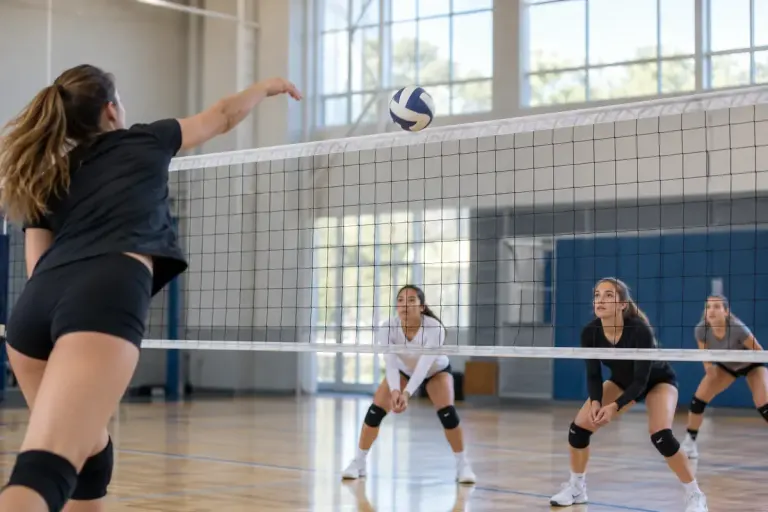
A volleyball libero’s replacement follows a different process from substitution
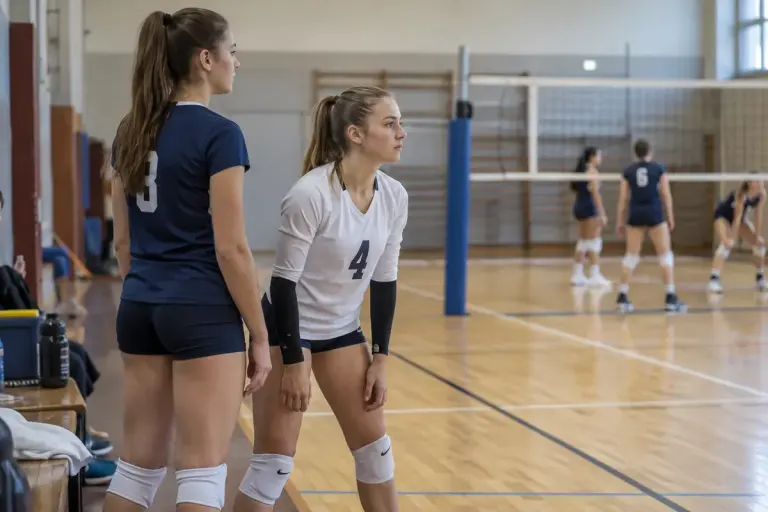
Follow a libero exchange under FIVB volleyball rules, distinguishing replacements from regular substitutions and recognising the required timing and area.

Follow a libero exchange under FIVB volleyball rules, distinguishing replacements from regular substitutions and recognising the required timing and area.
Under FIBA rules, the no-charge semicircle applies to a defined airborne attacking situation; it does not erase other illegal contact.

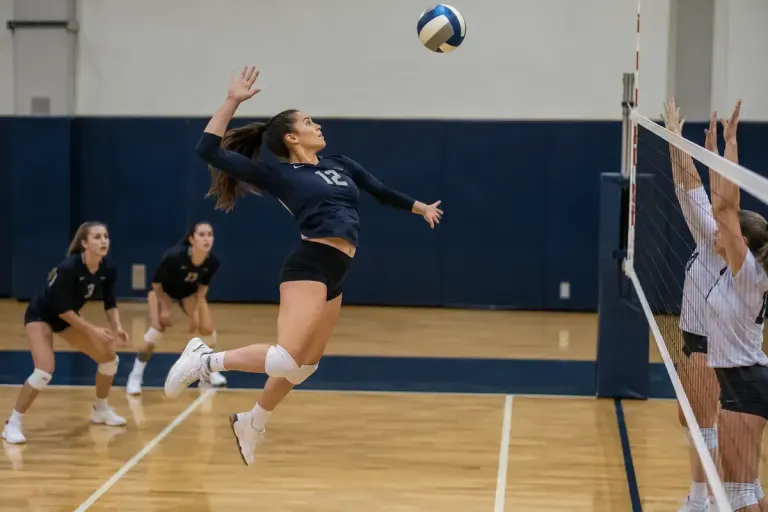
Follow a volleyball back-row attack by checking take-off position, ball height and attack completion instead of judging only where the player lands.

Read volleyball net contact in context by checking the location, the player’s action and any interference, using the rules that apply to the match.

Read basketball’s throw-in count by following when the ball becomes available and when it leaves the inbounder’s hands under the applicable rules.

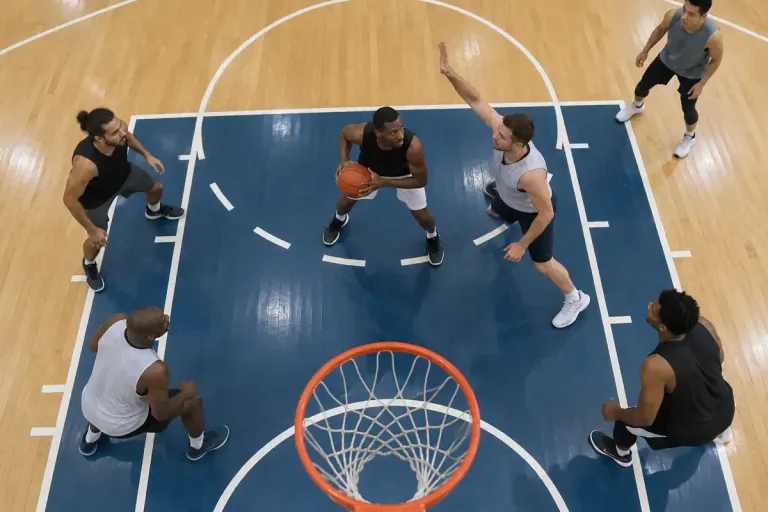
Verticality protects a basketball player’s legal space, but raised hands alone do not settle a contact call. Watch position and movement together.

To understand a basketball backcourt call, follow team control and the sequence of touches instead of watching the centre line alone.

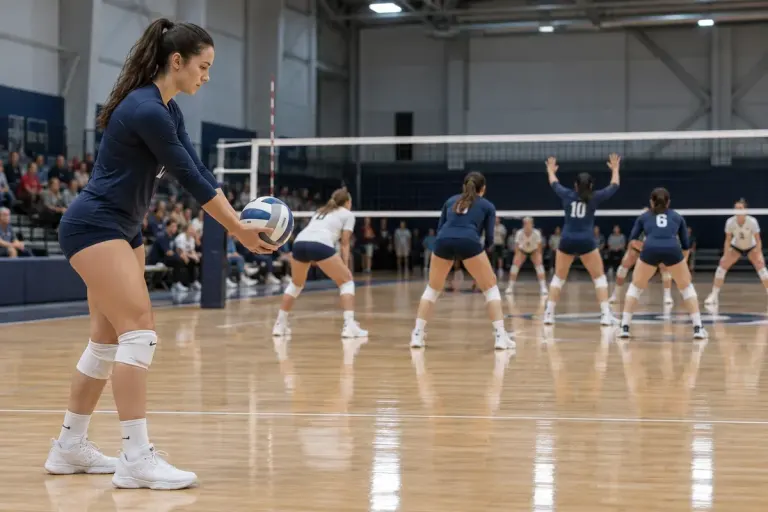
Keep playing when a legal volleyball serve clips the net and crosses correctly, while distinguishing ball contact from a player’s net fault.

FIBA’s offensive three-second rule depends on location, team control, and the running game clock. A player standing in the paint is not the whole test.