
Basketball Rules
Basketball’s Restricted-Area Arc Does Not Make Every Collision Legal
Under FIBA rules, the no-charge semicircle applies to a defined airborne attacking situation; it does not erase other illegal contact.

Basketball, volleyball and the details behind a good game.
Under FIBA rules, the no-charge semicircle applies to a defined airborne attacking situation; it does not erase other illegal contact.
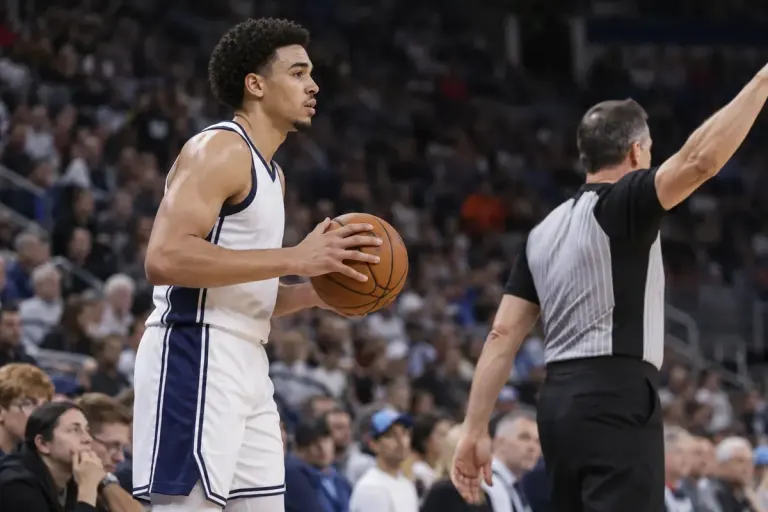
Read basketball’s throw-in count by following when the ball becomes available and when it leaves the inbounder’s hands under the applicable rules.
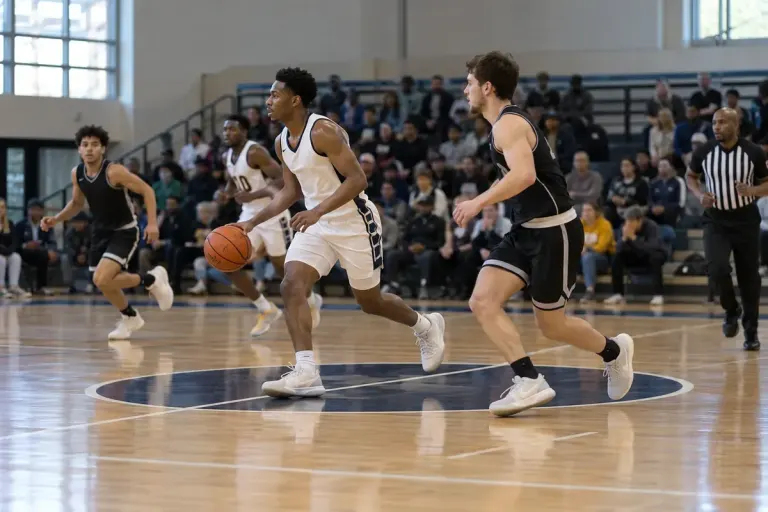
To understand a basketball backcourt call, follow team control and the sequence of touches instead of watching the centre line alone.
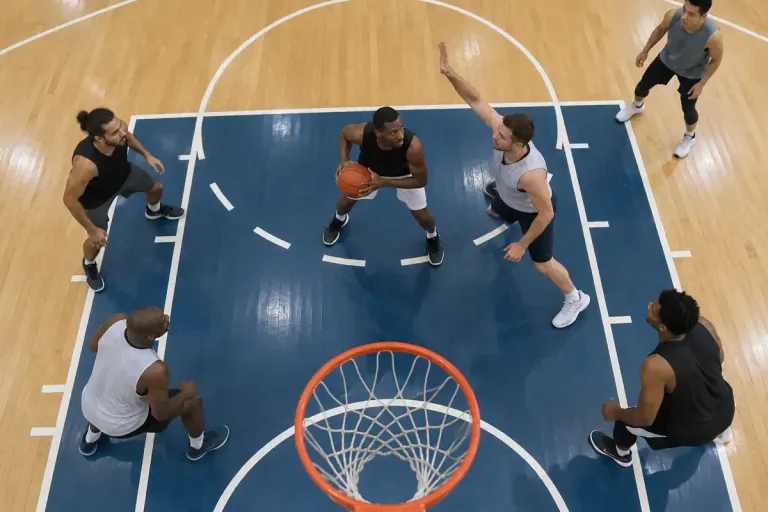
FIBA’s offensive three-second rule depends on location, team control, and the running game clock. A player standing in the paint is not the whole test.
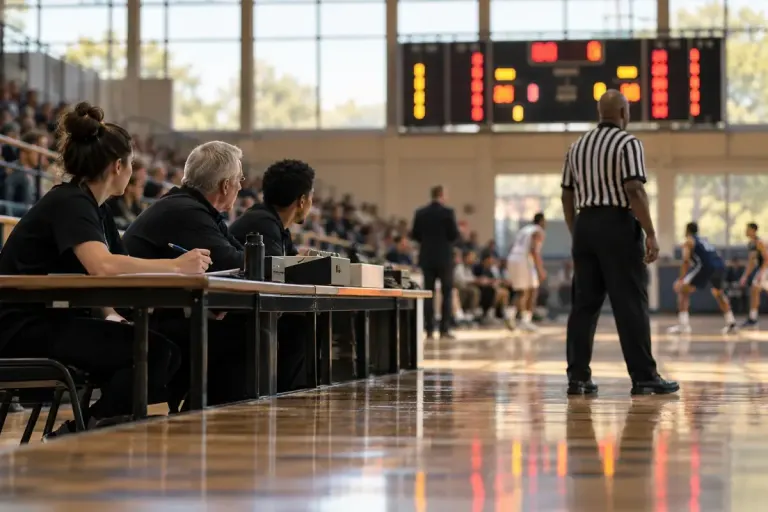
Read basketball foul displays by separating a player’s game total from the team’s period count, using the FIBA five-on-five rules as the reference.
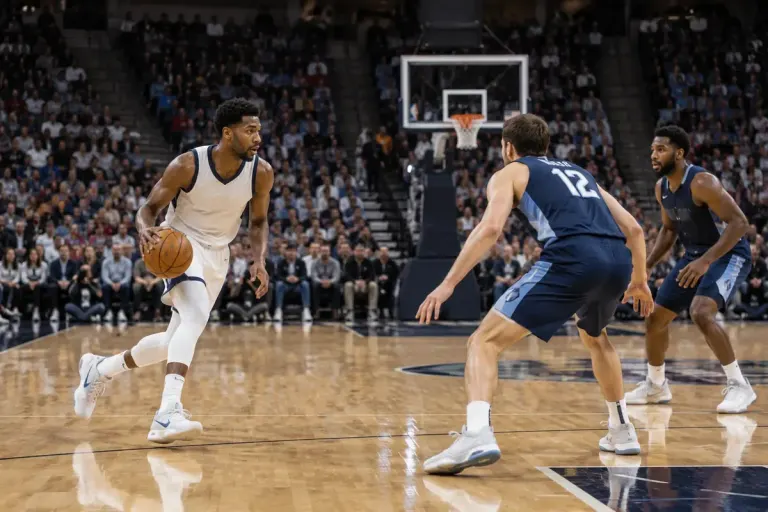
The backcourt time limit and the shot clock answer different questions. Follow one possession to understand why a team must advance before it has to shoot.
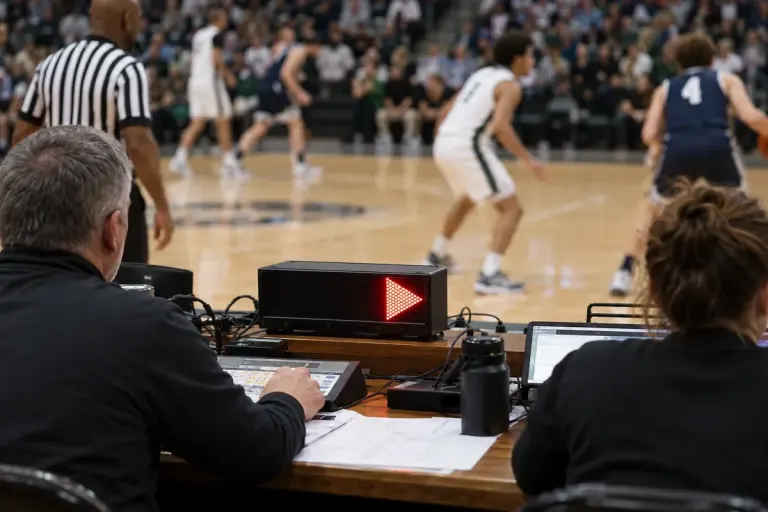
Follow the alternating-possession arrow in FIBA basketball and understand why later held-ball situations use a throw-in rather than another opening-style jump.